
Blog
From Weighbridge to Weighment Ecosystem: The Smarter Way to Control Operations
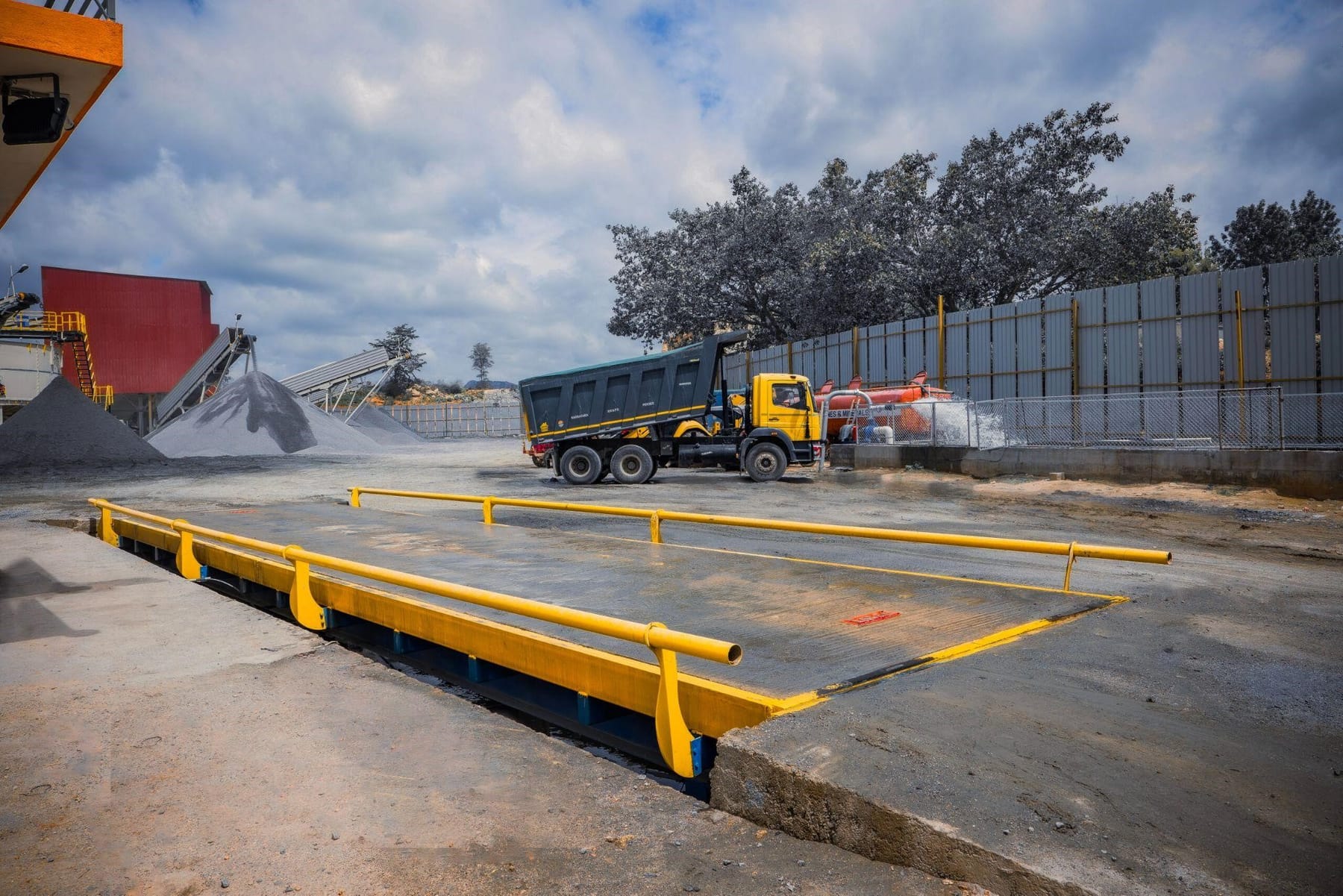
Average companies buy a weighbridge to measure trucks. Smart companies build a weighment ecosystem to control revenue, prevent leakage, and generate reliable data.
How Do they do it? The difference in mindset.
In many plants, the weighbridge is treated as a basic utility. Something that “just needs to work.”
But in well-run operations, it is treated very differently. Smart companies don’t see a weighbridge as a platform with a display. They see it as a control point for revenue, material movement, and accountability.
Here’s what they do differently:
1️⃣ They Plan New Installations Like a 10-Year Investment. Before installing a new weighbridge, they ask:
▶️ Will this handle our future dispatch volume?
▶️ Is the foundation engineered properly for soil and drainage conditions?
▶️ Is the structure designed for long-term stress, not just certification?
▶️ Can this system support automation later?
▶️ They understand that replacing a weighbridge is not easy, so they plan once and plan correctly.
2️⃣ They Upgrade From Analog to Digital Load Cell Systems.
Many plants are still running on traditional analog load cells. The smarter ones are upgrading to digital systems because they want:
▶️ Better accuracy stability
▶️ Individual load cell diagnostics
▶️ Reduced chances of signal tampering
▶️ Faster fault detection
In high-volume industries, even small weight deviations over time can translate into serious financial impact. Stability is not a luxury, it’s rather protection.
3️⃣ They Combine Weight With Visual Proof
Weight data alone is no longer enough. Smart plants integrate CCTV systems that:
▶️ Capture vehicle images during weighment
▶️ Tag photos with date, time, and weight
▶️ Maintain proper transaction records
This reduces disputes. It strengthens internal checks. It improves transparency with customers and vendors.
4️⃣ They Eliminate Manual Data Handling.
Manual entry of weight data into billing, inventory systems or ERP’s creates gaps. Gaps create risk. Smart companies ensure that:
▶️ Weighment data flows automatically into their internal systems or ERP’s.
▶️ Transaction records cannot be altered after completion
▶️ Dispatch, billing, and stock reconciliation are linked to actual weighment
When data moves directly from weighbridge to management systems, human dependency reduces, transparency increases, and operational control becomes stronger.
It may be time to evaluate your current weighbridge setup. Connect with us to understand how your existing weighbridge can be upgraded into a smarter, more controlled system.